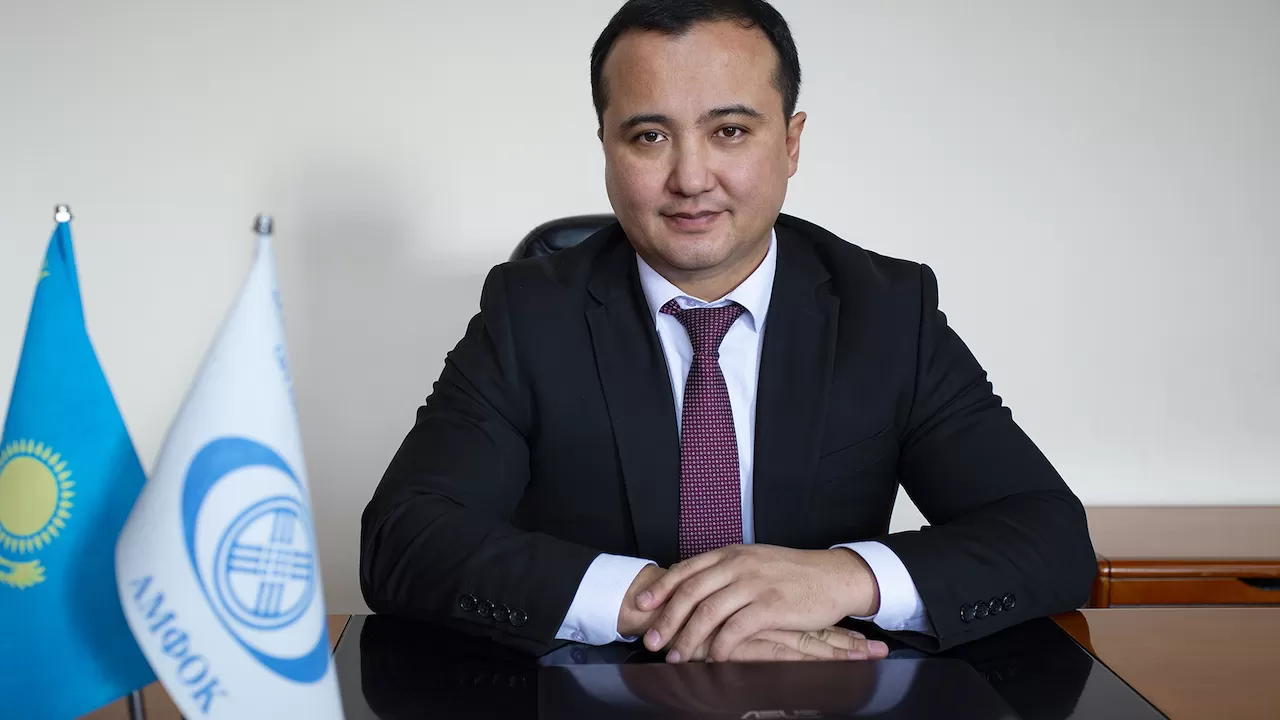
Certification implies the introduction of a clear set of standards designed to protect clients from unfavorable financial services. “Client protection certification is an independent third-party assessment that provides universal recognition of a financial institution’s compliance with client protection principles in its operations and product offerings. Certification is conducted by MicroFinanza Rating, a leading European certification organization specializing in assessing compliance with client protection principles, with offices in various countries, including Central Asia,” the interviewee explains.
To obtain certification, strict compliance with seven principles is required. Each principle includes the following criteria:
Appropriate product design and delivery (understanding client needs and responsibly offering credit products).
Prevention of over-indebtedness (assessment of the client’s solvency and creditworthiness).
Transparency (full disclosure of all client costs prior to loan issuance and proper explanation of all contractual terms).
Responsible pricing (setting remuneration at a level affordable for clients while ensuring the sustainability of the institution).
Fair and respectful treatment of clients (strict adherence to ethical standards at all stages of client interaction, including debt collection).
Confidentiality of client data (ensuring the confidentiality of microcredit information and personal data).
Complaint resolution mechanisms (a clear system for submitting, recording, reviewing complaints, defined timelines, and assessment of client satisfaction with outcomes).
“Obtaining certification also opens access for MFOs to international capital markets. International social funds that invest in the microfinance industry worldwide and cooperate with major Kazakhstani MFOs give preference and priority to companies certified for compliance with client protection principles. Considering that funding issues are fundamental for the microcredit sector, access to capital markets through certification will serve as an additional incentive for MFOs,”
— AMFOK.
He believes that adherence to ethical standards in the MFO market should become a mandatory requirement. Ethical violations and abuses in the microcredit market should serve as grounds for excluding an MFO from a self-regulatory organization, with a corresponding ban on conducting microfinance activities.
Unlike the banking and insurance sectors, where ombudsmen have long been operating, the microcredit sector still lacks an authorized representative for the protection of borrowers’ rights. Currently, clients address their issues to the Agency of the Republic of Kazakhstan for Regulation and Development of the Financial Market, where the review of applications takes from 3 to 14 days, which is a lengthy period for ordinary citizens.
“A microfinance ombudsman could promptly consider client complaints by taking over the entire flow of applications and complaints against MFOs received by the financial regulator. It is also necessary to establish a fund financed by MFOs to support and educate clients and resolve disputes. The logic of this fund is simple: the greater the number of complaints against an MFO, the higher its contributions to the fund should be. The fund’s resources should be directed toward client education, improving financial literacy, and providing support in cases of difficulties and disputes,” the interviewee explains.
The Agency for Regulation and Development of the Financial Market has been reforming the microfinance sector for several years. In particular, legislative restrictions have been introduced to protect consumers from over-indebtedness and excessively high interest rates.
Irina LEDOVSKIKH